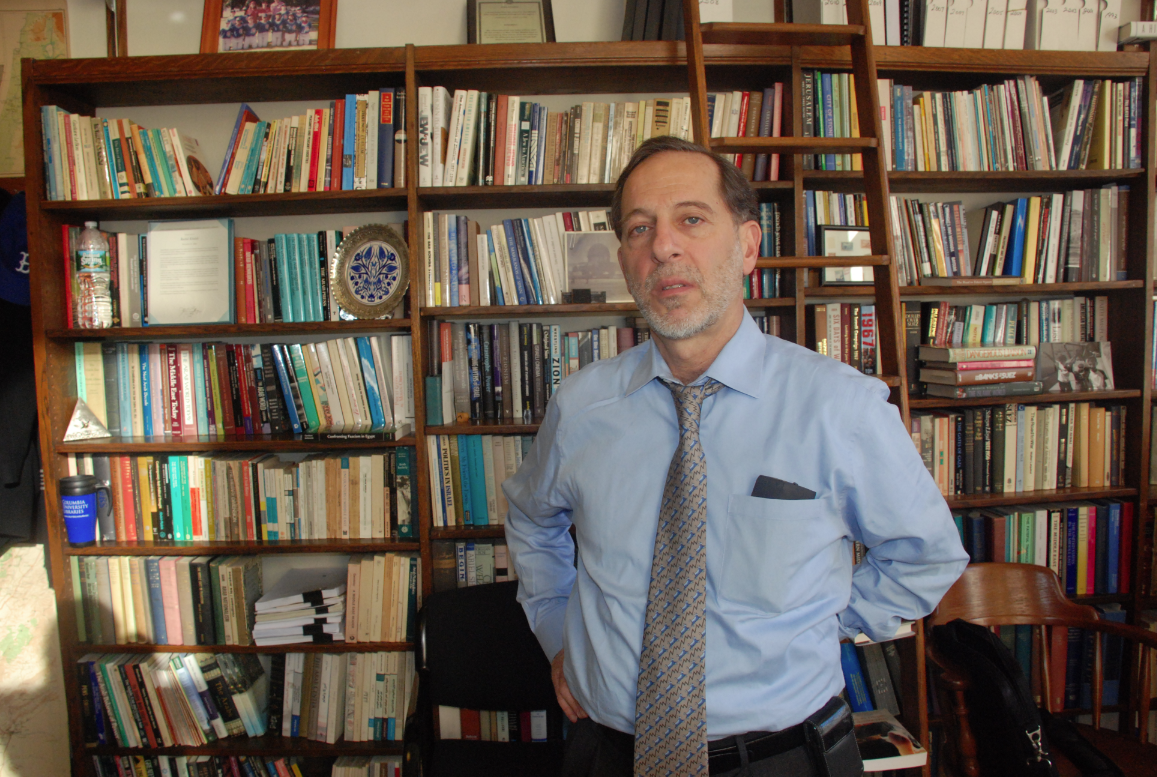
An exclusive interview with Middle East Scholar and Columbia University professor Rashid Khalidi
Text and photo by Ted Regencia
(An updated version of this article has been published in the online publication Your Middle East)
After a few days of relative calm, violence erupted anew in Syria with news reports claiming as many as 54 civilians killed on Wednesday despite a United Nations-backed ceasefire between President Bashar al-Assad and the rebel forces. On that account, calls for a U.S. led intervention, as a matter of “moral principle,” has resurfaced amidst diametric warnings on American forces being caught in another bloody quagmire.
It has been 14 days since special envoy and former U.N. chief Kofi Annan announced a truce on April 12. Since that day, activists have reported more than 460 casualties many in the besieged west-central city of Hama.
The fresh violence has prompted France to call for tighter sanctions against the Assad regime and issue a threat of arming the opposition. And here in the U.S., some segments in the foreign affairs establishment are advocating a muscular and military approach to the situation. Former U.S. ambassador to NATO Kurt Volker wrote in the Christian Science Monitor that America should not wait for another Bosnia to happen before acting. Writing for the Washington Post, columnist Charles Krauthammer also called on the U.S. government for the “organizing, training and arming” of the Syrian rebels.
Continue reading “Violence erupts anew in Syria: Can U.S. intervention be justified?”


 Ted Regencia Reports